Start with your charging situation
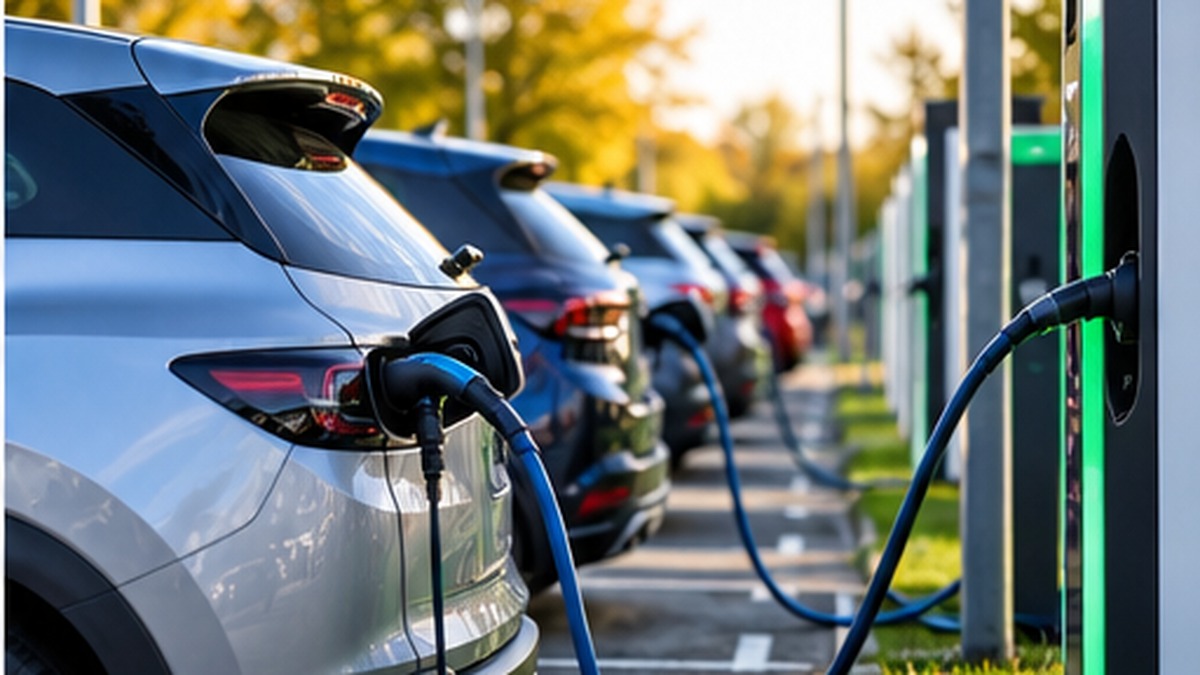
Before choosing an electric car, work out where you will normally charge it. Home charging can make EV ownership very convenient, but not everyone has off-street parking. If you expect to rely on public charging, check what is realistically available around your home, workplace and regular routes.
Ask about battery health
All rechargeable batteries lose some usable capacity over time. The important question is how much range the car can comfortably deliver for your needs today. Where available, ask for battery health information or a diagnostic report, and compare the displayed range with the car's age, mileage and conditions.
Understand charging speed and connectors
Different EVs support different AC and rapid-charging speeds. A car with a large battery is not automatically the fastest to recharge. Check which connector it uses, the maximum charging rate it supports and whether the supplied cables are present.
Inspect the rest of the car normally
Electric cars still have tyres, brakes, suspension, cooling systems and cabin electronics. Their weight can make tyre condition particularly important. Listen for suspension noises, check that regenerative braking behaves normally and make sure heating and air-conditioning systems work properly.
Buy for your real range requirement
Do not choose purely from the largest advertised range. Consider your longest regular journey, winter use and how often you can charge. A smaller-battery EV can be an excellent used buy if it comfortably covers the journeys you actually make.