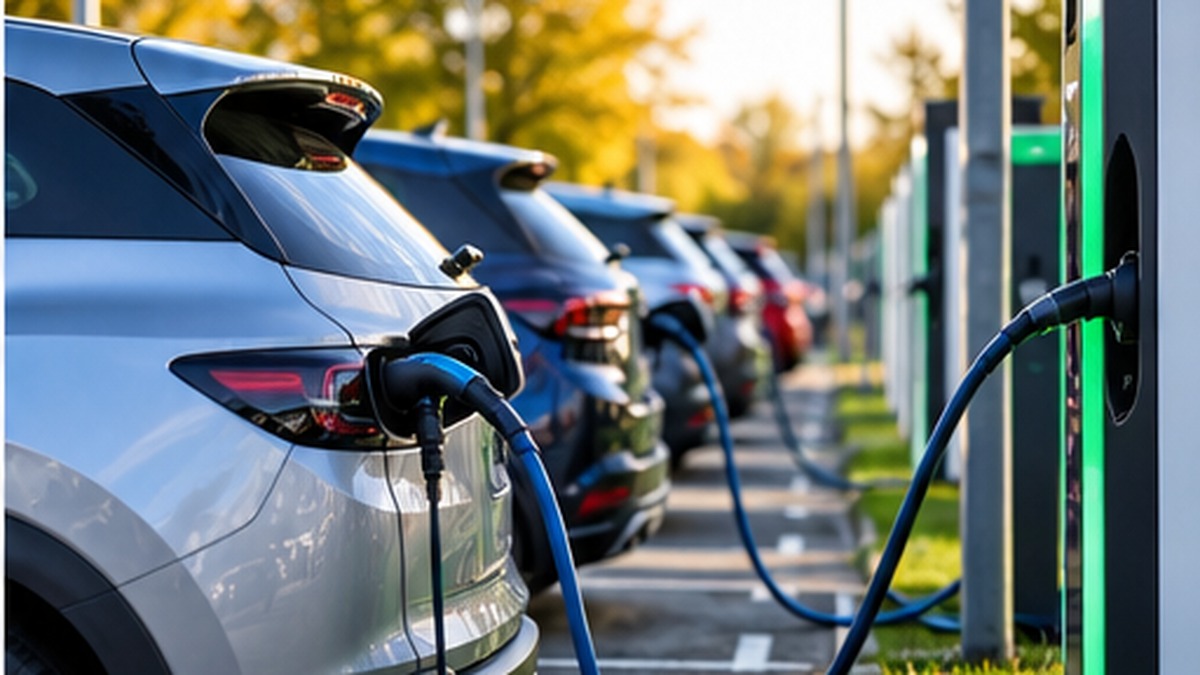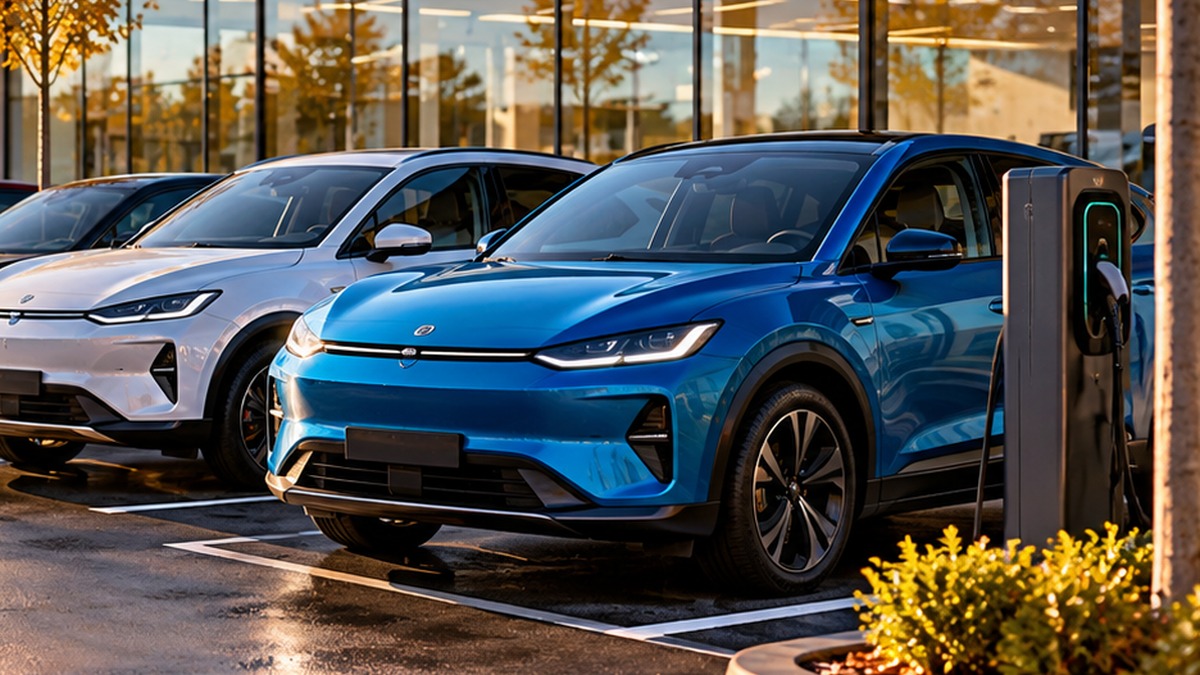
A new mileage-based tax for electric and plug-in hybrid cars is due to begin in April 2028, adding another factor for buyers to consider when comparing future running costs.
The government calls the system Electric Vehicle Excise Duty, or eVED. It will sit alongside the existing Vehicle Excise Duty system rather than replacing it.
How much will eVED cost?
From 1 April 2028, the announced rates are:
- Battery electric and hydrogen cars: 3 pence per mile
- Plug-in hybrid cars: 1.5 pence per mile
The rates are then intended to increase with inflation in future years.
At the initial rate, an electric-car driver covering 8,000 miles a year would pay about £240 in eVED. At 12,000 miles, the figure would be about £360. A plug-in hybrid covering 8,000 miles would be around £120.
How will mileage be recorded?
The system is intended to work through the existing DVLA vehicle-tax process. Drivers will provide an odometer reading and estimate the mileage they expect to cover during the coming tax period.
Payment will be based on that estimate, with the final mileage used to reconcile the amount later. The government says existing MOT mileage data can also help verify readings where applicable.
Why is the tax being introduced?
Petrol and diesel drivers contribute substantial fuel duty every time they fill up. As more cars become electric, the government expects fuel-duty revenue to fall. eVED is intended to create a mileage-related contribution for cars that do not use conventional road fuel.
Does this remove the running-cost advantage of EVs?
Not necessarily. Electricity cost, servicing, purchase price, depreciation, insurance and charging method all still matter. Somebody charging mostly at a low overnight home tariff may still have very different running costs from a petrol or diesel driver.
But eVED means buyers should not assume future electric-car taxation will remain negligible.
What should used-EV buyers do today?
The tax does not begin until April 2028, so it should be viewed as a future ownership cost rather than an immediate charge. If you plan to keep an EV for several years, include it in your longer-term budget.
The official policy details are available on GOV.UK.
You can compare used EVs with petrol, diesel and hybrid alternatives at Motavo.