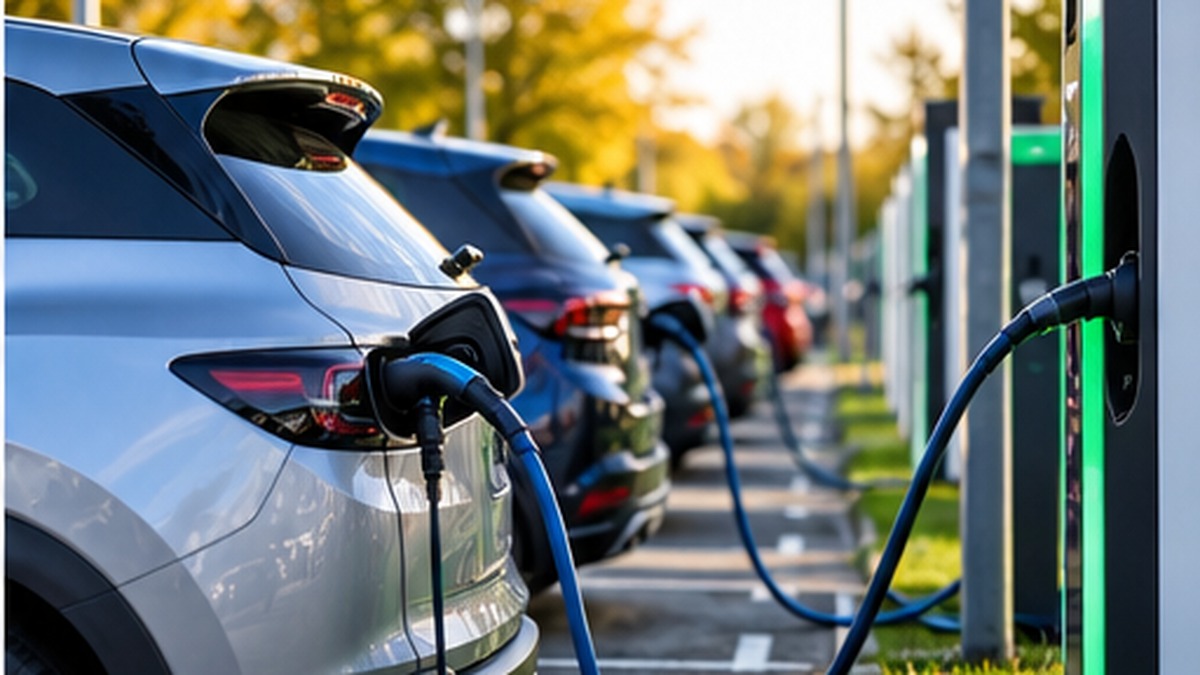
The UK government has opened a review of the Zero Emission Vehicle mandate, giving manufacturers, motorists and other stakeholders an opportunity to comment on how the transition to electric vehicles should develop.
The consultation, launched in August 2026, remains open until 23 October. It covers the current ZEV sales trajectory, compliance flexibilities and possible alternative approaches to the policy.
What is the ZEV mandate?
The mandate sets annual requirements for the proportion of new cars and vans sold by manufacturers that must be zero emission. The wider policy is designed to support the move away from new cars relying solely on internal combustion engines by 2030 and toward 100% zero-emission new car and van sales by 2035.
The 2026 review does not mean those dates have automatically changed. It is a consultation about how the rules operate and whether adjustments are needed before the next stage of implementation.
Why is the government reviewing it?
The car market is changing quickly. Electric registrations are growing, but manufacturers are not all moving at the same speed. Pricing, charging access, model availability and consumer demand vary widely across brands and vehicle types.
The government says the review is intended to balance the transition to zero-emission vehicles with consumer choice, automotive jobs, investment and competitiveness.
What does this mean if you are buying a car now?
There is no immediate reason for a used-car buyer to change plans because of the consultation. Petrol, diesel, hybrid and electric cars already on the road will continue to be bought and sold.
The more relevant question is how policy affects the supply and pricing of new vehicles over time. If manufacturers need to sell more EVs, that can encourage discounts, new model launches and eventually a larger flow of used electric stock.
Could used values be affected?
Long-term policy can influence depreciation, but it is only one factor. Used-car values are also driven by supply, condition, age, mileage, reliability, fuel prices and buyer demand.
A well-maintained petrol or diesel car that suits a buyer's needs can remain desirable even while the new-car market becomes more electric.
What should buyers watch next?
- the government's response after the consultation closes
- any changes to annual manufacturer targets
- new EV incentives and discounts
- charging infrastructure growth
- the supply of affordable used electric cars
You can read the consultation directly on GOV.UK.
Whatever fuel type you are considering, compare the total ownership picture and browse current used cars at Motavo.